 Since the 1920s, greyhound racing has been one of the most popular sports in the UK. It’s fast pace, seemingly easy to understand bet types and the fact it was geared initially very much towards the working class of the UK meant that people soared to watch the sport.
The first track to open their doors – after seeing the success of the sport in the United States – was Belle Vue, which is based in Manchester. Their opening night saw a crowd of 1,700 attend. Their second night saw a crowd of over 16,000. A staggering increase but highlights the explosion in popularity with greyhound racing.
One of the things that came along with the increase in popularity was regulatory bodies. They were initially in the form of the Greyhound Racing Association, but also included the National Greyhound Racing Club, before later forming to become the Greyhound Board of Great Britain (GBGB). It’s the GBGB’s role, like any sport’s governing body, to protect the welfare of animals and the fairness of their sport.
What Is Flapping?
Flapping is basically an unlicensed version of greyhound racing that takes place in the UK. If you were new to the sport and have never been to a meeting nor did you know what to look for, it’s likely you wouldn’t be able to spot a flapping and a fully licensed event.
It’s worth noting at this point that flapping is very much legal. This isn’t some underground sport that takes place in private venues – far from it. In fact, the stadiums and courses are all open to the public and there are plenty of online websites that are dedicated to flapping. The set-up of the races are the same, as well. So, you have a number of traps, the dogs chase the hare around the track and official times and records are kept for those races.
How Does Flapping Differ to Mainstream Racing?

The biggest difference between the two is that there is no official regulatory body and no one that really takes control and punishes owners or trainers for improper conduct. So, the role of GBGB for greyhound racing to oversee that the dogs are well kept, trained properly and aren’t running with any substances (drugs) that will enhance their performance. They perform spot checks on owners, they require all dogs to be registered with them so they can track and they also charge a fee that owners must pay to be part of any licensed races. More on that later.
Flapping does not have this. Whilst saying that it’s a free for all might be a little over the top, the rules and regulations that dogs need to meet race are pretty much zero. There are no licenses needed there is no paperwork for each dog and more importantly, there are no fees.
This leaves the sport extremely exposed and, as a result, is often criticised for not meeting basic standards and pretty much allowing all dogs to run as they wish. This makes for a bit of an underworld with flapping. Drugs are rife and whilst betting is legal on the sport and run at all tracks, there are often cases when races are fixed and even dogs are given substances that makes them underperform.
In terms of rules, the limited rules that are on show are enforced by each track and can differ from one track to another. Most don’t know anything about the dogs or even find out anything about the dog, which makes it impossible to police.
Are There Any Legitimate Upsides to Flapping?
The whole point of flapping was to initially allow owners of dogs the chance to race them in venues that would represent professional outlets. It meant they didn’t need to go through the paperwork needed and the money needed to see if they had a potential winner.
It was designed as a trial arena for dogs that may have potential, but maybe the owner or trainer wasn’t sure and wanted to test them out first. A lot of the time this works well and in a legitimate way. There have been many successful greyhounds that have started life in flapping races and then made good careers in the licensed sector.
In the twenties and thirties, there were over 200 unlicensed greyhound tracks across the county, which highlighted a huge demand for the sport. They were easy to set up, didn’t have to conform and allowed a much larger pool of dogs to enter their races, meaning they could offer more races per meeting as a result.
However, like anything that isn’t properly regulated, the “underground” nature of betting in particular started to expose the sport. There were often cases where dogs had later failed drug test which were carried out independently and even stories of them being given cocaine and winning major races. For a large portion of the sport it is run fairly and competitively. It’s almost like an amateur event and the tracks that are still open are generally pretty popular.
What About Dog Welfare?
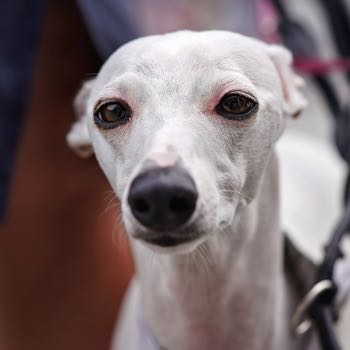 Well, the welfare of the dogs then comes completely down to the owners and there is no testing or levels that they need to meet. For example, a licensed dog has to be kept in ait conditioned kennels and also need to have constant access to water with regular meals.
As there is no one to oversee this with flapping, it means that the dogs are at risk. There are very few if any checks that are made from any regulatory body within the sport and no benchmarks set out for owners to follow.
The fact of the matter is that dogs are highly vulnerable as a result. There have been plenty of cases where dogs have been found to be malnutritioned and even killed if they aren’t able to perform.
Can You Bet on Flapping Races?
It’s not something that any mainstream bookmaker will offer odds on. Given that you can likely get odds on what Piers Morgan has for his dinner next Tuesday, the fact they won’t offer odds on these races should ring alarm bells.
The reason they don’t offer odds is that the races can often be rigged. There’s a huge underground betting scene with flapping, which is clearly illegal, but as stated, there are no regulatory bodies that are involved with the “sport”.
One of the tricks that trainers pull is called “fattening”. They do this by overfeeding the dog to a point where it’s not able to run to its full capacity. They will target dogs that are young but very quick for this.
The idea is that the dog will perform badly over a number of races. As they do, with each race their odds lengthen. Once the odds are starting to drift after a number of poor runs, the trainer then sticks the dog on a diet, gets it back to its running weight and takes advantage of the over inflated odds that are now on offer, making huge net wins as a result.
Whilst overfeeding may seem pretty simple, it’s actually highly illegal. Even though no governing body oversee this, it’s a contravention of the Animal Welfare Act of 2006 and penalties will include fines and even jail time. So, whilst you can bet on flapping, we would probably advise against it as it’s going to be very hard to tell when something shifty is going on.
How Many Flapping Tracks Are Still Open?
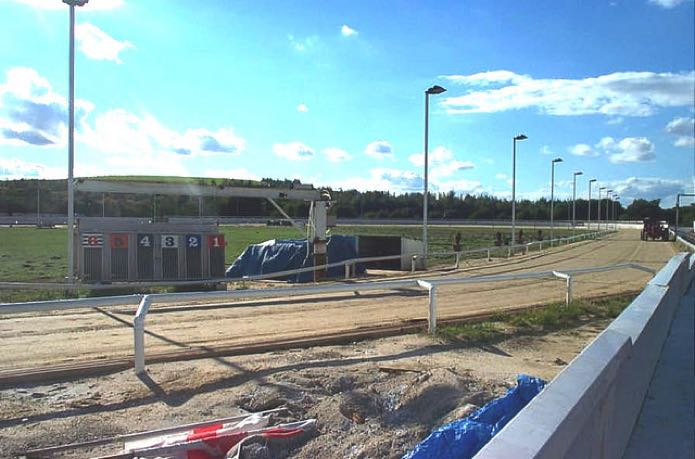
At the minute there are 5 flapping tracks that are still open:
- Askern (Doncaster)
- Highgate (Barnsley)
- Thornton (Fife)
- Valley (Ystrad Mynach)
- Wheatley Hill (Durham)
As you can see, there aren’t a lot of tracks left and aside from one in Wales and Scotland, the others all reside in the North East of England. Betting for these races only takes place within the confines of the dog track usually, so bear this in mind.
Is All Flapping Bad?
It’s not. The fact is that a large number of races are ran super competitively and it’s a great way for dogs to get a taste of proper racing. They can sometimes move across into licensed markets as well, which is much more reputable.
The fact is that it only takes a small minority to taint a whole industry. There are plenty of people that have suffered on the back of dogs that have been drugged and races that have been fixed. Given the fact the number of courses is dwindling (from a high of over 200 back in the day) and the media pressure that unlicensed greyhound now receives, you would have to think that its days are potentially limited.