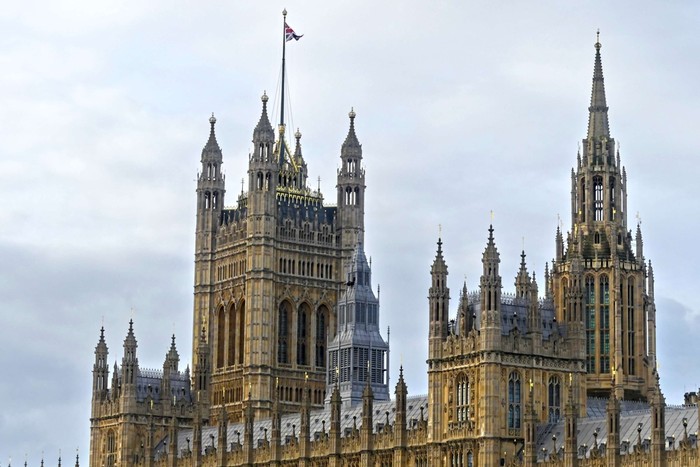
The House of Lords has called for a near complete ban on all forms of gambling advertising in the UK.
They believe that a tobacco-style prohibition on ads will help to reduce gambling harm, claiming that successive governments have been ‘too passive’ in dealing with the increase in marketing activity on social media and streaming platforms.
A 173-page dossier published by the House of Lords’ Liaison Committee concluded that a ban on ads and sponsorships ‘represents the most effective policy option’ for combatting gambling harm.
Too Many Adverts?

It was the introduction of the Gambling Act in 2005 that effectively paved the way for widespread advertising by betting operators; prior to that, only the National Lottery and selected pool betting and bingo firms were allowed to market themselves on TV and radio.
That 2005 change in the rules, devised by the Labour Party to expand the ‘leisure’ sector, coincided with some of the main advancements in digital technology; better smartphones and faster, more affordable broadband just two of the key innovations.
Those two factors have gone hand in hand to create an explosion in gambling ads online, which can be seen by children and vulnerable adults on platforms like X and YouTube.
The rise of influencers and content creators also indirectly promoting operators has also accelerated considerably in recent years.
And as noted earlier this year, gambling firms now spend more than £2 billion a year on advertising in the UK alone.
“Great Britain now has a stronger evidence base than comparable international jurisdictions on the link between gambling advertising and gambling harm,” the report reads.
“Yet, despite this, several other jurisdictions have moved ahead with significant advertising restrictions to tackle gambling harm, leaving Great Britain as a comparative outlier.”
The Liaison Committee continued by revealing that they were ‘unconvinced’ that a ban on gambling ads placed on licensed operators would cause more punters to explore the black market.
Lord Foster of Bath, meanwhile, confirmed that a veto on marketing would ‘shrink’ the sector – something that he, and the House of Lords as a whole, would be okay with. He even claimed that fears over job losses were merely industry ‘crocodile tears’.
Revenues would shrink too, with the report suggesting that gambling firms could cop a loss of £812 million from not being allowed to advertise – costing the UK economy around £130 million.
As part of their recommendations, on-course advertising at horse racing and greyhound racing venues would be allowed, while the National Lottery could be exempt from the ban if certain conditions are met.
Stiff Opposition
Unsurprisingly, the Betting and Gaming Council (BGC) reacted with horror to the House of Lords’ recommendations.
They believe that any ban on gambling ads would serve to strengthen illegal operators, who would continue to find ways to advertise their services online even in the midst of a blackout.
As it stands, almost £1 billion a year is spent by unlicensed firms on digital ads; with no opposition from the legal sector, the BGC argues, they would have an open goal to grow further.
Their chief executive, Grainne Hurst, commented:
“A blanket advertising ban would remove a key competitive advantage of being licensed and regulated, while doing nothing to stop illegal operators targeting British consumers.”
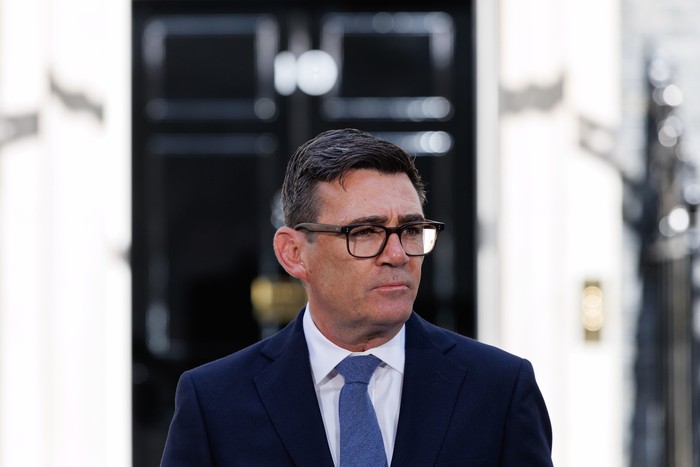
However, it’s likely that their concerns will fall on deaf ears. The Prime Minister, Andy Burnham, is very much of an anti-betting stance and when serving as the Mayor of Manchester was quoted as saying he wanted to ‘relegate gambling sponsorship of sport to the history books.’
Ban On Smoking Ads
Back in 2002, tobacco firms were banned from advertising in all forms of media after a scientific study found a clear link between ads and the number of smokers.
In the intervening years, follow-up research has confirmed that the rate of smoking – particularly amongst young people – has fallen since the introduction of the ad ban.
Indeed, conflicting reports suggest that the ban has led to a decrease in tobacco consumption of between 20% and 37%.
In 2018, the Committee of Advertising Practice (CAP) introduced their own toughening of gambling ad rules, specifically relating to the promotion of free bets and bonuses.