In the blue corner we have Richard Desmond, media mogul turned lottery entrepreneur.
And in the red corner we have the UK Gambling Commission, the much-maligned regulator of the betting sector in the United Kingdom.
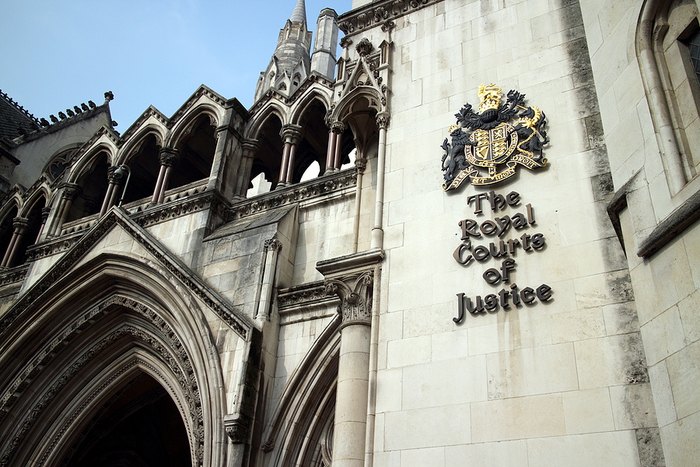
The two parties are set to go to court in October 2025 after Desmond and his legal team secured an initial ‘win’, with a judge denying the Commission’s bid for a ‘split’ trial.
It means that the case, in which Desmond will accuse the regulator of conducting a ‘seriously flawed’ bidding process for the UK National Lottery operator’s licence – which saw Allwyn handed the keys to the lottery draws over Desmond’s The New Lottery Company.
Two Tribes Go to War

Desmond is perhaps best known for his work in the media sector – the 72-year-old having owned and or operated a series of titles, which include the Daily Express newspaper, OK! magazine and the Channel 5 television station.
He branched out into lottery gaming courtesy of his New Lottery Company, which has operated the Health Lottery since 2011, and Desmond was hoping to expand his empire further by winning the rights to the UK National Lottery.
His firm was up against three other suitors – Allwyn, Sisal and incumbent operator Camelot, who each embarked on a PR campaign in a bid to win over the judging panel, with the Gambling Commission handed the power to nominate their ‘preferred supplier’ to the government.
They ultimately opted for Allwyn, so in 2022 they were given the right to operate the National Lottery and its various subsidiary draws – finally taking over when Camelot’s contract came to an end earlier this year.
However, that wasn’t the end of the bidding war. Desmond was incensed that the regulator, in his view, used a ‘flawed’ ratings system to declare Allwyn the winner – and he is seeking reparations accordingly.
And while arguments for both sides will be heard next year, Desmond and his legal eagles have already struck a crucial blow by blocking the Commission’s hopes for a ‘split trial’ – a process in which the scope of evidence allowed is limited.
Instead, the New Lottery Company vs Gambling Commission case will go to a full and comprehensive hearing, after Desmond’s lawyer Michael Bowsher argued that there were ‘recurrent failings’ in the selection method and that the contract was ‘unfairly favourable’ to Allwyn.
“This is a damaged process and we have suffered damage as a result of that,” he said.
It’s thought that Desmond will seek damages in the region of £200 million. The Gambling Commission, meanwhile, continues to deny any wrongdoing.
Home and Away

There were raised eyebrows aplenty when Desmond, a vocal advocate of Brexit, called upon an EU statute of law to challenge the regulator’s handling of the procurement process.
He also drew controversy when it was revealed that if his legal bid was successful, Desmond’s damages would be paid out of a pot of money usually reserved for charitable causes and social enterprise projects.
Unbowed, Desmond has pressed on via his Northern & Shell firm, alleging that failures on the part of the Commission ultimately cost his subsidiary lottery company the chance to win the ten-year contract, said to be worth £6.5 billion.
The regulator used a points-scoring system to grade each of the prospective operators’ applications, including overall strategy, marketing plan and the granting of profits to charitable causes.
The results of the process were leaked to the press, with Allwyn scoring 87.2%, Camelot 85.7% and the New Lottery Company a lowly 57.5%.
But Desmond will argue that his bid was scored unfairly due to mistakes made by the Commission – without which, he might claim, his tender would have gotten much closer to matching, or surpassing, that of Allwyn.
As part of his legal case, Desmond will argue that the calculation of the scores was incorrect, that not all bids were treated fairly and that the regulator did not give feedback after his application was tendered – insinuating that he would have withdrawn from the race had the regulator indicated that he was likely to lose.
The bidding process has been considered controversial throughout, with Camelot also launching their own legal bid to have the regulator’s decision overturned in the High Court back in 2022.
They too claimed that the process was unfairly weighted in Allwyn’s favour, however they would ultimately drop their case just a week prior to the matter heading to the Court of Appeal – Allwyn would later acquire Camelot for £100 million in 2023.