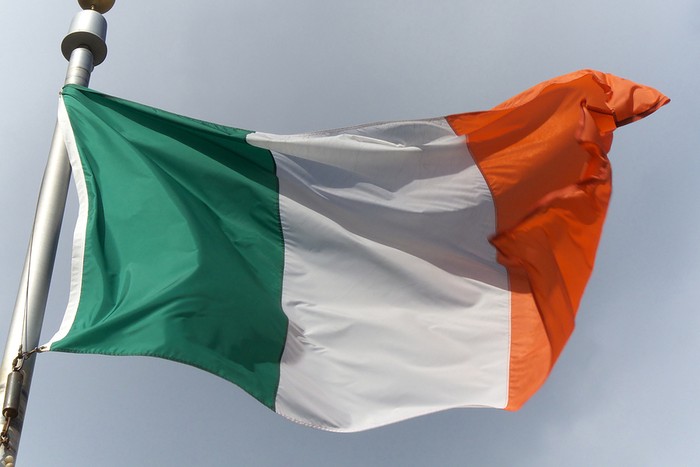
As a sport, horse racing owes a tremendous debt of gratitude to the investment and interest in it from across the Irish Sea.
However, that relationship could become increasingly strained due to Ireland’s controversial Gambling Regulation Bill.
In an update to previous legislation, politicians in the country are aiming to ban gambling adverts on TV pre-watershed – a move that Racing TV has described as making their channel ‘economically unviable’.
Punters could also be hit too, with the legislative bill also targeting the bonuses and promotions offered by bookmakers – these may even be outlawed altogether.
Tightening Up

The Republic’s bid to tighten up the legislation governing the betting sector has been a long time coming: the law that looks set to be passed is actually called the Gambling Regulation Bill 2022, which hints at the length of time it has taken to see the light of day.
It was first presented by ministers in December 2022, with the ultimate aim of tightening up the regulations governing the online gambling sector in particular – as is the case in the UK, the law hasn’t particularly moved forward in line with the technological change that has altered the industry beyond recognition.
The creation of a new regulator, the Gambling Regulatory Authority of Ireland, was mooted as part of the bill. That organisation would have full licensing and sanctioning powers.
Finally, in 2024, there was forward motion, with the Gambling Regulation Bill passing various stages of the legislative process. It had passed through the Dail (the lower house of Irish politics), before securing the green light from the committee in the Seanad (upper house) by a margin of 17 votes for and five against.
The bill must now pass final consideration in the Dail Eireann; if it does, it will finally be signed off by the President, Michael Higgins, into law. It has long been rumoured that a general election will take place in Ireland before the end of 2024, with ministers considering the passing of the gambling act as an ‘big win’ to celebrate in their campaigning.
And so it’s expected that the Gambling Regulation Bill will be green lit, although it’s unlikely that any of its regulatory measures would be enacted until 2025 at the earliest.
All Change

The bill will introduce a host of new statutes that govern how the sector will be policed.
Beyond that, there’s also the proposed introduction of a mandatory levy, which bookmakers and betting sites will pay into.
And in rule changes that will directly impact punters, Irish law-makers want to introduce a ban on credit card gambling – bringing the Republic’s legislation into line with that of the UK.
A ban on gambling ads on TV and radio could prove particularly hurtful for horse racing, which remains as popular as ever in Ireland.
Some ministers, including Senator Mark Wall, had been campaigning for a complete ban on gambling advertisements, however it appears as if a middle-ground has been reached: a watershed, which will typically run from around 5:30am in the morning to 9pm at night, would see ads banned within those hours.
In readiness for the law change, Sky Sports Racing has confirmed that it will now effectively produce two different feeds: one for the UK market with gambling ads, and one for Irish viewers without on a dedicated channel.
However, their effective competitor Racing TV, which holds the broadcast rights to all 26 Irish racecourses in a deal penned until 2029, has voiced serious concerns about the viability of their platform without the revenue generated by gambling ads.
A spokesperson for the broadcaster claims that the change in law will cost them around £1.7 million in revenue annually, and perhaps ultimately see them leave the Irish market altogether.
Bonus Blackout
Bookmakers will also be prevented from offering certain types of bonuses to their players, with the Gambling Regulatory Authority given full powers to sanction those firms that don’t play ball.
Although a blanket ban has been called for, it’s likely that bookies in Ireland will still be allowed to offer promotions – however, these must not be classed as ‘targeted inducements’ aimed a specific group of customers.
The minister of state for the Department of Justice, James Browne, has commented:
“Licensees will be restricted to offering promotions in compliance with any regulations made under this section. They may impose conditions, including restrictions on the manner of which an offer may be made to the public, on the type of offers and may prohibit certain offers being made.
“Failure to comply shall be a criminal offence and subject to prosecution.”