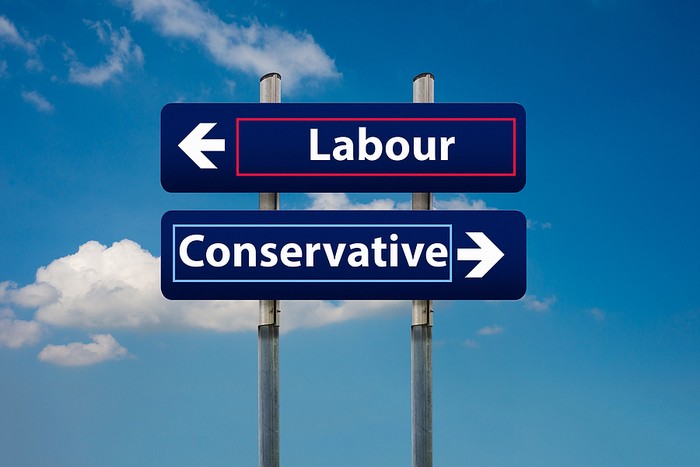
A Labour Party candidate at the General Election has been cleared of wrongdoing by the UK Gambling Commission despite betting on himself to lose.
Kevin Craig, who was standing in the Central Suffolk and North Ipswich constituency, admitted that he had wagered £800 on the Conservative Party candidate to win the seat instead… for a potential profit of £400.
When details of the bet emerged, Craig was suspended by the Labour Party – despite the would-be MP confirming his plan to donate his winnings to charity.
In the end, the Tory candidate Patrick Spencer won by a comfortable margin… and Craig has since been reinstated by the Labour Party and been told that no further action will be taken against him by the regulator.
All Bets are Off

There is no law preventing politicians from betting on an election or other political market… unless they use privileged, inside information to do so, at which point they would be found guilty of ‘cheating’ and breaching the Gambling Act.
And that’s the case against a number of MPs and political party support staff still being investigated by the Gambling Commission over claims they used inside information – specifically, that they knew when the general election would take place – to profit.
As for Craig, he couldn’t have possibly have known who was going to win his local seat when placing the bet, and therefore he was found to have acted ‘lawfully’ as per the findings of the Gambling Commission’s investigation.
Now, Craig wants there to be a ban imposed on MPs and candidates from betting on the outcome of a general election. He’s drafted a law – the ‘Gambling on Elections’ bill – that if passed would prohibit any political insider from having a flutter.
“I don’t want any candidate, whether they are Labour, Reform, Tory, SNP, Lib Dem ever to have their campaign killed off by a letter of accusation from the Gambling Commission that is subsequently proven to have no grounds,” he told GB News.
He went on to confirm that he placed the bet to ‘soften the blow’ of a likely defeat, given that the Central Suffolk ward has, historically, been a safe Conservative seat.
“It wasn’t for my own financial gain,” Craig said.
“I do of course still live in the real world. I recognise to some people that’s a tremendous amount of money.
“I don’t lose sight of that. But it wasn’t for personal gain, and it was about softening the blow [of defeat].”
The would-be politician’s lawyer has released a statement in which they applaud Craig’s ‘exoneration’, before claiming that they believe their client had been ‘badly treated’ by the Labour Party having been suspended before an investigation had been carried out.
Speak Easy
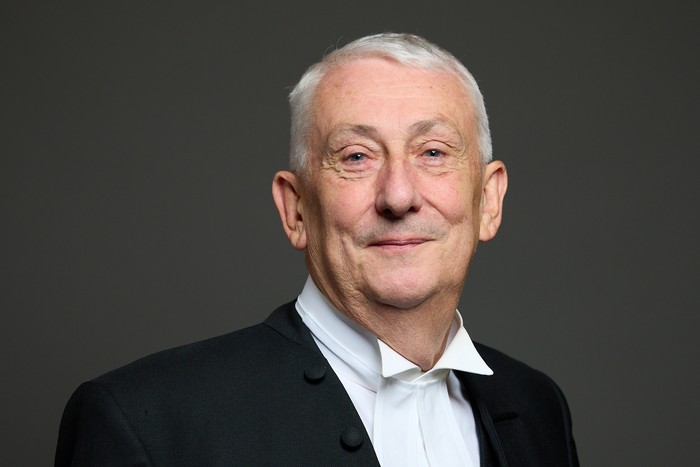
Another political insider that finds himself in hot water is the Commons speaker, Sir Lindsay Hoyle.
He turned up in Warrington at the end of November to help cut the ribbon on Betfred’s new headquarters, which has been given a multi-million pound refurbishment.
Hoyle is the MP for Chorley, which is not far from Warrington, and he was asked to unveil a plaque commemorating the opening by Betfred boss, Fred Done.
However, campaigners believe that the link to the sports betting giant is a breach of his unique parliamentary position as the Commons chief.
The 67-year-old is also the chairman of the Rugby Football League (RFL), with Betfred a consistent sponsor of the Super League over the years. It was in that context that the firm invited Hoyle to open their new HQ.
However, the plaque dedicated to the opening refers only to Hoyle’s position as the speaker of the Commons… rather than his work in rugby league, although Done did reference as much in a speech at the presentation.
“I’m delighted that, because of our close association with rugby league, Sir Lindsay Hoyle has kindly agreed to officially open the building,” he said.
However, according to Matt Zarb-Cousin, the director of Clean Up Gambling, Hoyle’s attendance at the opening was a clear conflict of interest.
“Being Commons speaker is a privilege that comes with a responsibility to being non-partisan in all aspects of the job. That means not favouring particular interests over others.
“It is a huge error of judgment for the speaker to be seen to be endorsing a gambling operator.”
Neither Hoyle or a representative of the House of Commons has opted to comment.