It’s the age-old debate: should betting on sport be considered separate from gambling on games of chance like slots, roulette and blackjack?
After all, the insinuation of sports betting is that it takes some skill to pick out value-priced winners… even if the outcome of said events is out of the punter’s hands.
That’s the belief of a number of government ministers, who have publicly spoken out against Labour’s plans to ‘harmonise’ the current tax regime, which sees bookmakers and online casinos pay a different rate on their gross profits.
It’s a move, rebel MPs say, that could have disastrous consequences for the sport of horse racing, which generates a considerable amount of its income from betting operators.
Taxation Tribulation

Earlier in May, the government opened up a consultation period on the possibility of harmonising the current gambling tax schedule, which sees different operators within the sector pay varying rates of tax on their profits.
And both the Treasury and HMRC have called for the current three-tiered systems to be consolidated and simplified into a single tax, which would be called Remote Betting & Gaming Duty (RBGD).
As things stand, bookmakers and betting shops pay a 15% on their gross gambling yield – this is the General Betting Duty. Pool Betting Duty (PBD), which is paid by operators such as The Tote, is also set at 15%.
Remote Gaming Duty (RGD), which applies to online casinos, slot sites and other digital platforms, is set at 21% – and the likelihood is that any harmonisation of these three taxes into a single payment would be set at 21%… or perhaps even higher.
And that, understandably, has caused fury within the sports betting community. Operators will now face a significant tax rate rise, but also be treated the same as online casino gaming – which research suggests is far more addictive, and a source of problem gambling, than wagering on sports.
Others are taking a more pragmatic view. Entain CEO Stella David, speaking as she introduced the firm’s quarter one earnings update, said:
“It’ll be a long journey. There’s a consultation and legislation would have to change, so the earliest we perceive there would be some change is late 2027, early 2028.
“There’s a lot that can happen between now and then. It’s really early days and nothing will happen in the short term.”
The government’s consultation period on the matter is now underway, with responses welcomed until July 21.
The findings will be analysed and, after consulting with tax officials and – hopefully – gambling sector representatives, any changes will be outlined and ratified during the government’s Autumn Budget.
Racing Behind
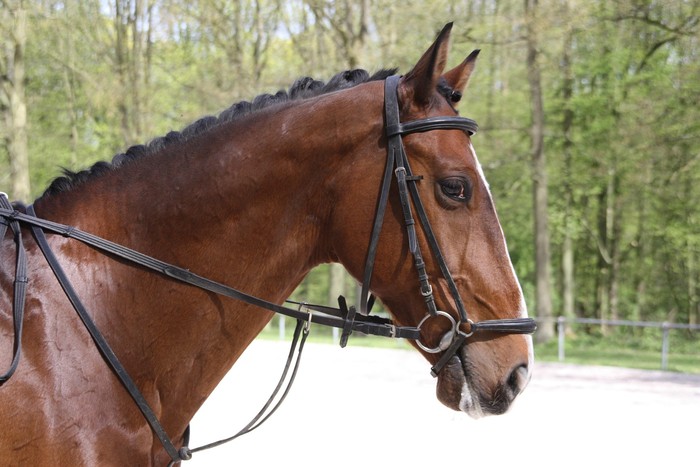
Perhaps an unwanted side effect of a harmonised gambling tax regimen would be more damage caused to horse racing.
The sport relies heavily on levy payments made by UK-facing operators, which is reinvested into prize money, facilities and other key areas.
But by taxing betting firms more heavily, levy payments would fall in response – decreasing the amount of money flowing into racing.
The British Horseracing Authority (BHA) released a statement in which they revealed they were ‘deeply concerned’ by the proposed tax harmonisation, which would see betting on racing taxed the same as online games of chance with fixed house edges.
“Tax harmonisation will reduce the attractiveness of racing as a product to the betting public, with behavioural changes assumed from operators as they look to save costs by maintaining margins and reducing offers and promotions, therefore minimising the customer experience,” the statement reads.
“We will be working with stakeholders across the sport to build a strong argument, making sure that racing’s position is fully understood by the government.”
A number of politicians have also echoed the BHA’s sentiment, with Labour’s own Dan Carden – who chairs the all-party parliamentary group for racing – calling upon senior MPs to renege on the plan and prevent the sport from being ‘kneecapped’.
The shadow sports minister, Louie French, described the tax reform as a potential ‘nightmare’ for racing, claiming that such a move would push more punters to the black market.
Meanwhile, the chief executive of the Arena Racing Company, Martin Cruddace, reiterated his belief there’s a ‘strong argument’ for horse racing to be taxed differently to online games of chance.
“Any harmonisation of tax between online casino and horse-race betting would have the consequence, however unintended, of Britain being a world leader in online casino and a world pauper in the global sport of horse racing.”